You Are Only as Good as the Care You Take of Yourself—and Your Game
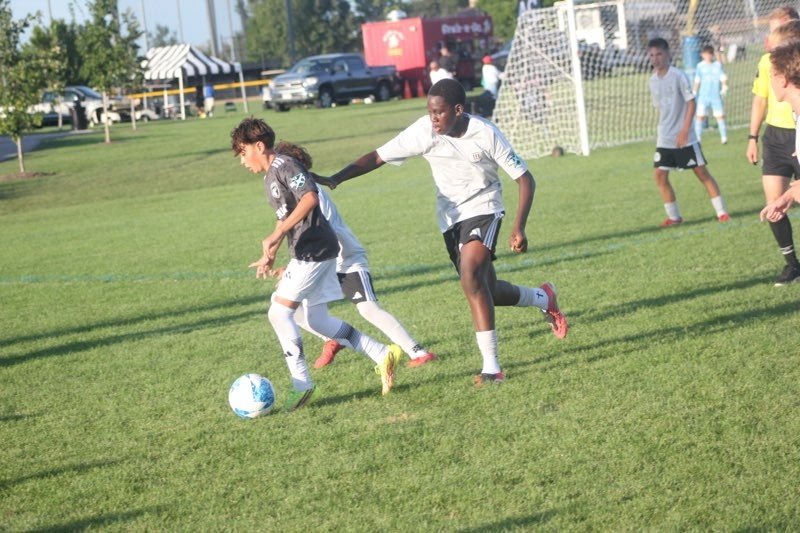
Chicago Kickers Tournament Sept 2026
We spend an extraordinary amount of time teaching young athletes how to play. How to pass. How to shoot. How to defend. How to make the run. How to read the field. How to receive the ball. How to compete. But there is another skill we need to start teaching much earlier:
How to take care of themselves.
Because here’s something we don’t say often enough to young athletes:
If you cannot learn to take care of yourself, you cannot elevate yourself to GOAT level.
Greatness isn’t just talent. It is preparation. Discipline. Self-awareness. Recovery. Repetition. Responsibility. And eventually, ownership. And those things don’t suddenly appear when an athlete becomes elite. We have to start teaching them when they are young.
Stop Packing the Bag
This may sound harsh, particularly when we’re talking about young children. But hear me out. If your child is old enough to play competitive soccer, they are old enough to begin participating in the preparation required to play it. They can learn to check their bag. Cleats. Shin guards. Uniform. Water. Ball. Weather-appropriate gear. Whatever their particular sport requires. At first, of course, we help. We make the checklist. We check behind them. We teach rather than punish. But eventually, it needs to become their bag. Because the forgotten shin guard isn’t really about a shin guard. It’s about learning to think ahead. And that ability—to anticipate what you will need and prepare yourself for what comes next—is exactly what we eventually ask them to do on the field.
Don’t Let Your Help Become Their Ceiling
This is perhaps the hardest part for those of us who are deeply involved sports parents. We love our children. We want them to succeed. So we help. And help. And help some more. We pack the bag. Fill the bottle. Find the uniform. Check the schedule. Carry the equipment. Make the food. Remind them to sleep. Wake them up. Tell them when to leave. But there is a point at which helping a child with everything stops helping them grow.
When we do everything for our children, we can unintentionally become the ceiling on their growth.
Why? Because their ability to function becomes dependent upon our presence. Their preparation works because we are organized. Their schedule works because we remember it. Their equipment arrives because we packed it. Their nutrition happens because we managed it. Their readiness depends upon us. And eventually, their development can only extend as far as our involvement allows.
That is a ceiling. True potential requires the ability to function when Mom or Dad isn’t there. Our job isn’t to make our children permanently dependent upon our support. Our job is to use our support to teach them how eventually not to need it.
Your Body Is Part of Your Equipment
Young athletes also need to understand something much bigger: Your body is your most important piece of athletic equipment.
Did you eat? Did you hydrate? Did you sleep? Are you sore? Are you injured? Did you recover? Do you have what you need for a long tournament day? At first, those are questions parents ask. Eventually, they need to become questions the athlete asks themselves. That transition is enormously important. Because Mom won’t always be standing on the sideline. Dad won’t be in the locker room. A coach won’t know that you barely ate breakfast. Your teammates won’t necessarily know you haven’t had water all afternoon. And nobody else lives inside your body.
The athlete has to learn the athlete.
That means recognizing fatigue. Understanding hunger. Knowing when something hurts. Learning what helps you recover. Understanding how sleep affects performance. Recognizing what preparation allows you to perform at your best. That is not separate from athletic development. That is athletic development.
The Travel Athlete Needs to Become More Independent
Travel sports make this even more important. We shuttle children from home to practice, from practice to hotels, from hotels to tournament fields, sometimes across states and across the country. It is incredibly easy for a young athlete to become a passenger in their own athletic career. Parents book the hotel. Parents pack the snacks. Parents fill the water bottles. Parents carry the bags. Parents track the schedule. Parents find the field. Parents remember the uniform. Parents manage recovery. And then we tell the child:
Go out there and take ownership of the game.
Think about that contradiction. How can we expect ownership for 90 minutes on the field when we have removed nearly every opportunity to practice ownership during the other hours of the day? The hotel room can be part of training. The airport can be part of training. The car ride can be part of training. The night before a tournament can be part of training. Learning to unpack your gear, organize tomorrow’s uniform, refill your water, eat appropriately, get yourself to bed, wake up prepared, and know when your team needs to leave isn’t separate from becoming an athlete. It is becoming an athlete.
Discipline Doesn’t Begin When the Whistle Blows
We sometimes think discipline is what happens during practice. Run harder. Listen to the coach. Finish the drill. Don’t give up. But some of the most important discipline happens when nobody is watching. Going to sleep when you’d rather stay up. Choosing food that will actually fuel you. Refilling your water bottle without being told. Taking ten minutes to work on your weaker foot. Putting the phone down. Cleaning your cleats. Doing your recovery. Preparing tomorrow’s bag tonight. There are no trophies for those things. Nobody posts a highlight reel of an athlete filling a water bottle and going to bed on time. But those tiny behaviors accumulate. And eventually, they show up on the field.
What Does GOAT-Level Talent Actually Require?
Kids love talking about the GOAT. Messi. Ronaldo. Jordan. Serena. Brady. Whoever occupies that place in their sport and generation. We usually focus on what they can do. But greatness isn’t only the spectacular thing we see during competition. Behind extraordinary performance is an extraordinary ability to manage oneself. The greatest athletes don’t need someone chasing them around reminding them to care about getting better. At some point, the drive becomes internal. That’s the transition we’re trying to nurture.
Not: My parents want me to get better.
But: I want to get better, and I understand what that requires of me.
That is a completely different athlete. You cannot reach your highest potential if someone else must continually manage the behaviors required to get you there.
GOAT-level dreams eventually require GOAT-level ownership.
And Yes, Sometimes They Will Forget
This is the part parents hate. If we give children responsibility, occasionally they will fail. They’ll forget something. They’ll pack the wrong jersey. They’ll leave the water bottle on the kitchen counter. They’ll arrive at the hotel and realize something they wanted is sitting at home. Our instinct is to rescue. Sometimes we should. But sometimes the inconvenience is the lesson. A child who experiences the consequence of poor preparation often develops a system remarkably quickly. That is growth. Youth sports provide a relatively safe place to practice responsibility before the stakes of adulthood become much higher. Let them practice.
Our Goal Should Be to Make Ourselves Less Necessary
This doesn’t mean abandoning a seven-year-old to figure everything out. Independence should be age appropriate.
At seven, maybe your child fills the water bottle and puts the cleats in the bag.
At nine, maybe they pack the entire soccer bag using a checklist.
At eleven, perhaps they are responsible for knowing the week’s practice schedule.
At thirteen, they should increasingly understand their nutrition, hydration, sleep, recovery, equipment, and preparation. The exact ages will vary. The direction shouldn’t. Every year, we should be handing a little more responsibility to the athlete. That is one of the strange realities of parenting: Success means gradually making ourselves less necessary. We aren’t withdrawing our love. We aren’t withdrawing our support. We are converting support into capability.
Because the Goal Is Bigger Than Soccer
One day, competitive soccer will end. For almost every child—even very talented ones—there will eventually be a final whistle. And when that happens, what will remain? Hopefully much more than trophies. The ability to prepare. The discipline to practice something repeatedly before mastering it. The awareness to recognize what their body needs. The confidence to travel independently. The ability to organize themselves. The willingness to work when nobody is watching. The resilience to make a mistake, experience the consequence, and adjust. And perhaps most importantly:
The belief that their development belongs to them.
That’s one of the greatest gifts youth sports can give a child. So yes, cheer loudly. Drive them to practice. Stand in the rain. Bring the snacks. Wash the uniform when they need help. Invest in their opportunities. Support the dream with everything you’ve got. But somewhere along the way, start handing the responsibility back. Let them carry the bag. Let them fill the bottle. Let them check the schedule. Let them prepare. Let them recover. Let them learn their body. Let them make some mistakes.
Let them own their game.
Because no coach, parent, trainer, teammate, club, academy, or amount of money can care more about an athlete’s development than the athlete eventually must care about it themselves. Talent may get you noticed. Coaching may show you the way. Parents may provide the opportunity. But mastery requires ownership. And if you’re dreaming about becoming the GOAT someday, start with something much less glamorous:
Learn to take care of yourself.
Because you are only as good as the care you take of yourself—and your game.